How Much Does Attic Insulation Cost in Virginia Beach, VA in 2026?
Average Cost of Attic Insulation in Virginia Beach
In Virginia Beach, VA, attic insulation remains one of the most cost‑effective upgrades a homeowner can make. The coastal climate, combined with local building codes that require wind‑rated roofing and windows, makes a well‑sealed, properly insulated attic essential for keeping heating and cooling bills under control.
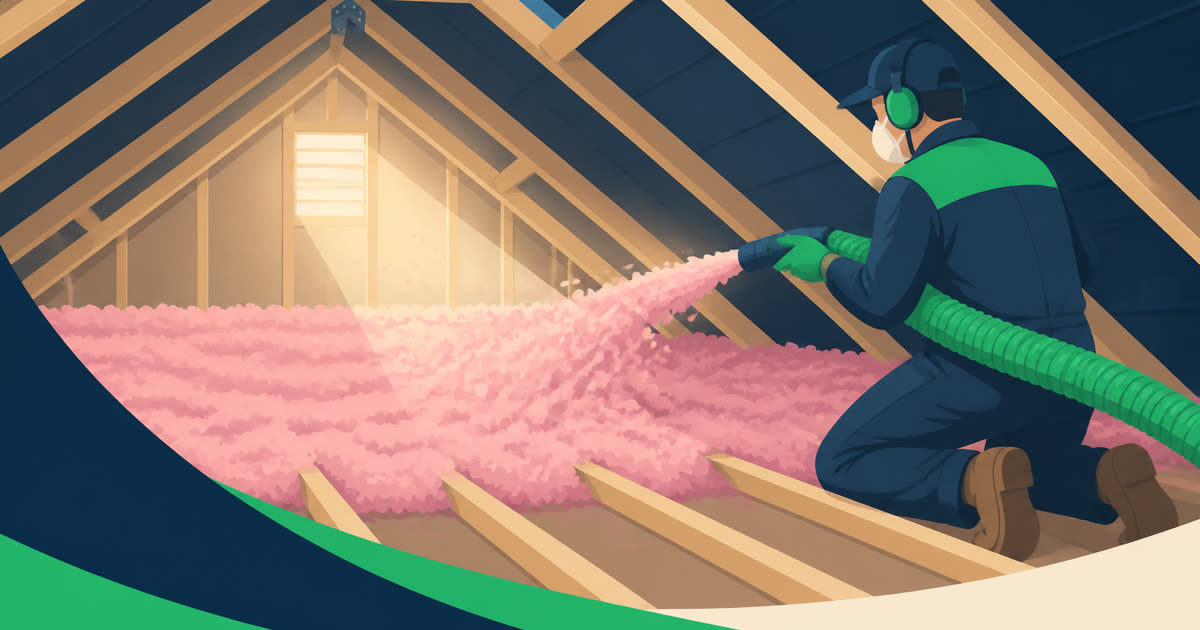
For a standard 1,500 sq ft attic, the typical price range for professional blown‑in insulation is $2,500 to $5,500. This figure already includes the cost of the insulation material, labor, and the necessary air‑sealing work that prepares the space for a high‑performing R‑value. Because Virginia Beach’s labor rates sit near the national average and the local cost factor is 1.00, the national price band of $1.50 – $4.50 per square foot translates directly to local pricing.
Smaller homes with a 1,000 sq ft attic usually fall between $1,500 and $4,500, while larger properties with a 2,000 sq ft attic can expect costs from $3,000 to $9,000. These ranges give homeowners a clear benchmark when they begin to compare quotes.
Attic Insulation Cost by Material
Choosing the right insulation material is a balance of budget, performance, and long‑term durability. Below is a quick reference for the most common options used in Virginia Beach:
- Blown‑in cellulose – $1.50 – $3.00 per sq ft. Made from recycled paper, cellulose offers excellent coverage and is the value‑standard for most homeowners. It also provides good resistance to settling when installed at the proper depth.
- Blown‑in fiberglass – $1.50 – $3.50 per sq ft. Fiberglass is naturally mold‑resistant, making it a solid choice for humid coastal environments, though it is slightly more expensive than cellulose.
- Fiberglass batts – $1.80 – $3.50 per sq ft. Batts are DIY‑friendly and work well in open attics where a homeowner wants to install insulation themselves. They require careful cutting and fitting around joists, pipes, and wiring.
- Spray foam (open‑cell) – $2.50 – $4.50 per sq ft. Open‑cell foam provides both insulation and an air seal in a single application, achieving an R‑49 rating at the higher end of the price range. This material is best for homes that need superior air‑tightness or have complex framing.
Cost by Project Size in Virginia Beach
The total price of an attic insulation project scales directly with the square footage of the space being treated. Below is a summary of typical costs for the three most common attic sizes in the area:
| Attic Size | Low End | High End |
|---|---|---|
| 1,000 sq ft (small home) | $1,500 | $4,500 |
| 1,500 sq ft (average home) | $2,250 | $6,750 |
| 2,000 sq ft (large home) | $3,000 | $9,000 |
These figures assume a full installation that includes air sealing, material, labor, and equipment. Homeowners who only need a top‑up—such as increasing an existing R‑19 to the recommended R‑49—will fall toward the lower end of each range.
What Affects the Price in Virginia Beach?
Several variables can shift the final invoice up or down. Understanding these factors helps you budget accurately and avoid surprise charges.
- Current insulation depth – Adding material to an existing R‑19 cavity to reach R‑49 typically costs less than a brand‑new install because the labor time is reduced.
- Air sealing requirements – Every gap around pipes, wires, recessed lights, and attic hatchways must be sealed before new insulation is placed. Extensive sealing can add 20 % of the total cost.
- Attic access and layout – Low headroom, a floored attic, or a maze of joists slows down the crew and may increase labor charges. In Virginia Beach, many older homes have limited access, which can add $200–$400 to the bill.
- Material choice – While cellulose offers the best price‑to‑performance ratio, spray foam delivers superior air sealing at a higher price point. Your decision should reflect both budget and the desired energy performance.
How to Save Money on Attic Insulation in Virginia Beach
Virginia Beach homeowners have several proven strategies for reducing out‑of‑pocket costs without compromising quality.
- Utility rebates – Many electric and gas utilities in the area run rebate programs that cover 25 % to 50 % of insulation upgrades. Check with your provider before signing a contract.
- Air seal first – Performing all necessary air sealing before the insulation crew arrives ensures the new R‑value works as intended, avoiding costly re‑work later.
- Quote comparison – Ask each contractor to quote based on a target R‑value (e.g., R‑49) rather than a flat price per square foot. This levels the playing field and highlights true cost differences.
- Seasonal scheduling – Insulation crews are busiest in the spring and fall. Booking during the shoulder months of late winter or early summer can secure lower labor rates and faster availability.
DIY vs. Hiring a Professional
While installing fiberglass batts can be a weekend DIY project for a handy homeowner, most attic insulation upgrades in Virginia Beach benefit from professional installation.
Blown‑in cellulose or fiberglass requires rental of a high‑capacity blowing machine and careful monitoring of depth to achieve the desired R‑value. Inexperienced installers often miss spots, leading to uneven coverage and reduced energy savings. Moreover, air sealing—critical for coastal homes that experience strong winds—is easy to overlook without the right tools.
Given the local labor rates and the importance of meeting wind‑rated code requirements, many residents find that the added cost of a professional crew ($2,250–$6,750 for an average attic) pays for itself through higher efficiency and a smoother, warranty‑backed installation.
What to Expect: The Attic Insulation Process
A reputable Virginia Beach contractor typically follows these five steps:
- Inspection and current R‑value measurement – The crew measures existing insulation depth and evaluates any moisture or pest issues.
- Air sealing of gaps, penetrations, and can lights – All cracks around plumbing, wiring, and recessed lighting are sealed with spray foam or caulk.
- Ventilation check for the attic – Proper soffit and ridge vent operation is verified to prevent moisture buildup.
- Insulation installed to target depth – The chosen material is blown or laid to achieve the homeowner’s R‑value goal.
- Final inspection and depth verification – The installer uses a thermal camera or probe to confirm uniform coverage before cleanup.
The cost breakdown for a typical job is roughly 45 % material, 35 % labor and equipment, and 20 % air sealing and preparation.
How Long Does It Take in Virginia Beach?
For most average‑size attics (1,200 – 1,800 sq ft) the entire process—from inspection to final walk‑through—can be completed in a single day. Larger or more complex spaces that require extensive air sealing, structural repairs, or multiple material changes may extend to two full days. Contractors usually schedule a half‑day for prep and a half‑day for cleanup, ensuring the homeowner can return to normal use quickly.
Hidden Costs to Watch For
Beyond the quoted price, a few additional expenses can arise during an attic insulation project in Virginia Beach:
- Rodent cleanup and exclusion – If a home has a history of mice or rats, removal and sealing of entry points may add $200–$600.
- Bathroom fan and duct repairs – Faulty attic‑mounted fans often need replacement or re‑routing, costing $150–$350.
- Moisture or mold remediation – Existing moisture problems must be addressed before new insulation is installed; remediation can range from $500 to $2,000 depending on severity.
- Electrical or lighting upgrades – Replacing outdated wiring or adding new recessed lighting while the attic is open can add $300–$800.
Paying for Attic Insulation
Most insulation projects in Virginia Beach are modest enough to be paid with cash, credit card, or a simple check. For larger upgrades—especially when combined with other energy‑efficiency measures—homeowners may consider utility on‑bill financing, which spreads the cost over 12 to 60 months with little or no interest. Some local banks also offer home improvement loans with competitive rates.
Insurance Considerations
Homeowners insurance in Virginia Beach typically covers damage to insulation caused by sudden events such as a roof leak, windstorm, or fire. However, gradual wear, pest damage, or poor original installation are considered maintenance issues and are not covered. It’s wise to document the condition of the insulation before and after the upgrade and keep receipts for any warranties offered by the installer.
Does Attic Insulation Increase Home Value?
Yes. Energy‑efficient homes command higher resale prices in the Virginia Beach market, and appraisers routinely assign value to upgrades that improve heating and cooling performance. Studies show that a well‑insulated home can recoup 100 % or more of the insulation cost through lower utility bills and a higher selling price. The upgrade is also a tangible selling point that buyers can verify during a walk‑through.
How to Choose a Contractor in Virginia Beach
Finding a reliable insulation contractor involves a few key steps:
- Verify licensing and insurance specific to Virginia Beach and the state of Virginia.
- Ask for references from recent local projects, especially those in coastal neighborhoods where wind‑rated code compliance is essential.
- Request a written estimate that breaks down material, labor, equipment, and air‑sealing costs.
- Confirm the contractor follows the recommended R‑value range for the local climate (R‑49 to R‑60).
- Check for affiliations with professional bodies such as the Insulation Contractors Association of America (ICAA) or ENERGY STAR® certification.
A contractor who can provide a detailed scope of work, a clear warranty, and a timeline that matches your schedule is the best fit for a successful attic insulation upgrade.
Frequently Asked Questions
How much does attic insulation cost in Virginia Beach?
Blown‑in attic insulation in Virginia Beach runs about $1.50 to $4.50 per square foot installed. For a typical 1,500 sq ft attic, the total cost—including air sealing, material, and labor—falls between $2,500 and $5,500. Smaller 1,000 sq ft spaces start at $1,500, while larger 2,000 sq ft attics can reach up to $9,000.
What is the best attic insulation R‑value for Virginia Beach?
The U.S. Department of Energy recommends an R‑value of R‑49 to R‑60 for most of the United States, including the coastal climate of Virginia Beach. Your contractor will first measure the existing insulation depth and then add enough material to reach the target R‑value, ensuring optimal thermal performance and compliance with local building codes.
Does attic insulation pay for itself?
Most Virginia Beach homeowners see a 10 %–20 % reduction in heating and cooling expenses after upgrading insulation. When combined with utility rebates that can cover 25 %–50 % of the cost, the payback period is typically 2 to 5 years. After that, the savings continue for the life of the insulation.
How long does attic insulation last?
When installed correctly and kept dry, both fiberglass and cellulose insulation can last 25 to 40 years. Their longevity depends on proper air sealing and protection from moisture and rodents. Regular inspections for compression, pest activity, or water stains will help maintain performance.
Should I remove old attic insulation?
If the existing insulation is dry, intact, and free of contaminants, most contractors will simply top it up to the desired R‑value. However, any insulation that is wet, infested with rodents, or contains asbestos should be removed by a licensed professional before a new layer is added.
Does attic insulation increase home value?
Yes. Energy‑efficient upgrades are highly valued in the Virginia Beach real estate market. Insulation improvements not only lower utility bills but also provide a clear, verifiable benefit that appraisers and buyers recognize, often leading to a higher resale price.